
The book ends where its inheritance laws began, with the daughters of Zelophehad. In chapter 27 these five sisters won the right to inherit their father’s land because he had no sons; now the heads of their clan raise a follow-up problem. If the daughters marry men from other tribes, their inherited land will pass to those tribes, slowly eroding the tribal allotments God is about to assign. The ruling balances the earlier one without overturning it: the daughters keep their inheritance, but they marry within their own tribe, so the land stays in the family. They comply, and the book closes.
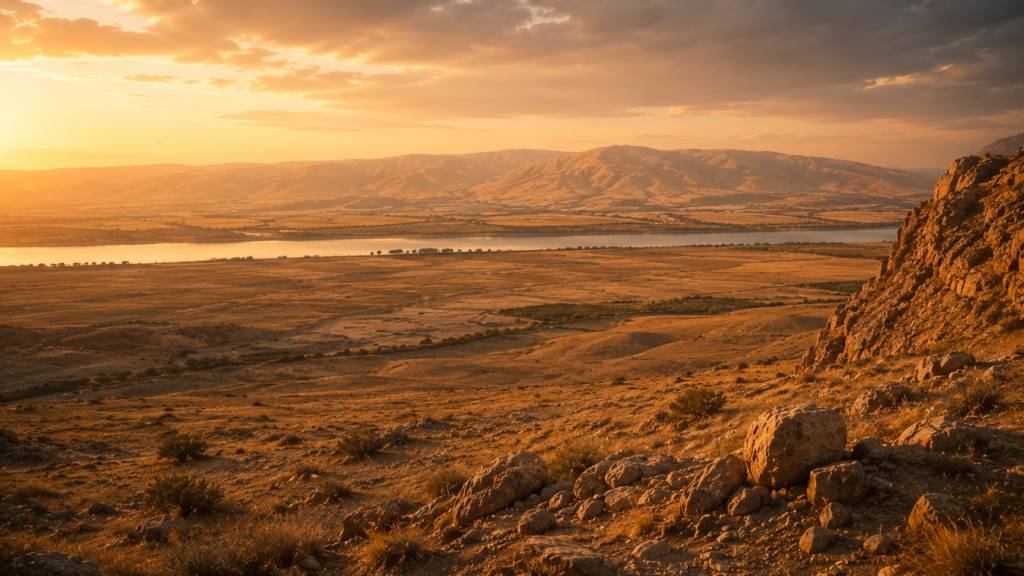
It is a fitting end, and a deliberately understated one. The book that opened with a census of a doomed generation closes with a careful adjustment to an inheritance law for a generation about to live. And the very last verse places everything in the plains of Moab by the Jordan at Jericho, on the threshold, not in the land. Numbers ends with Israel poised on the edge of the promise, the wilderness behind them, the river and the land ahead, the whole story leaning forward into what comes next.
A · Numbers 36:1-12 · Two goods held together
⁶ “This is the thing which Yahweh commands concerning the daughters of Zelophehad, saying, ‘Let them be married to whom they think best; only they shall marry into the family of the tribe of their father.’”
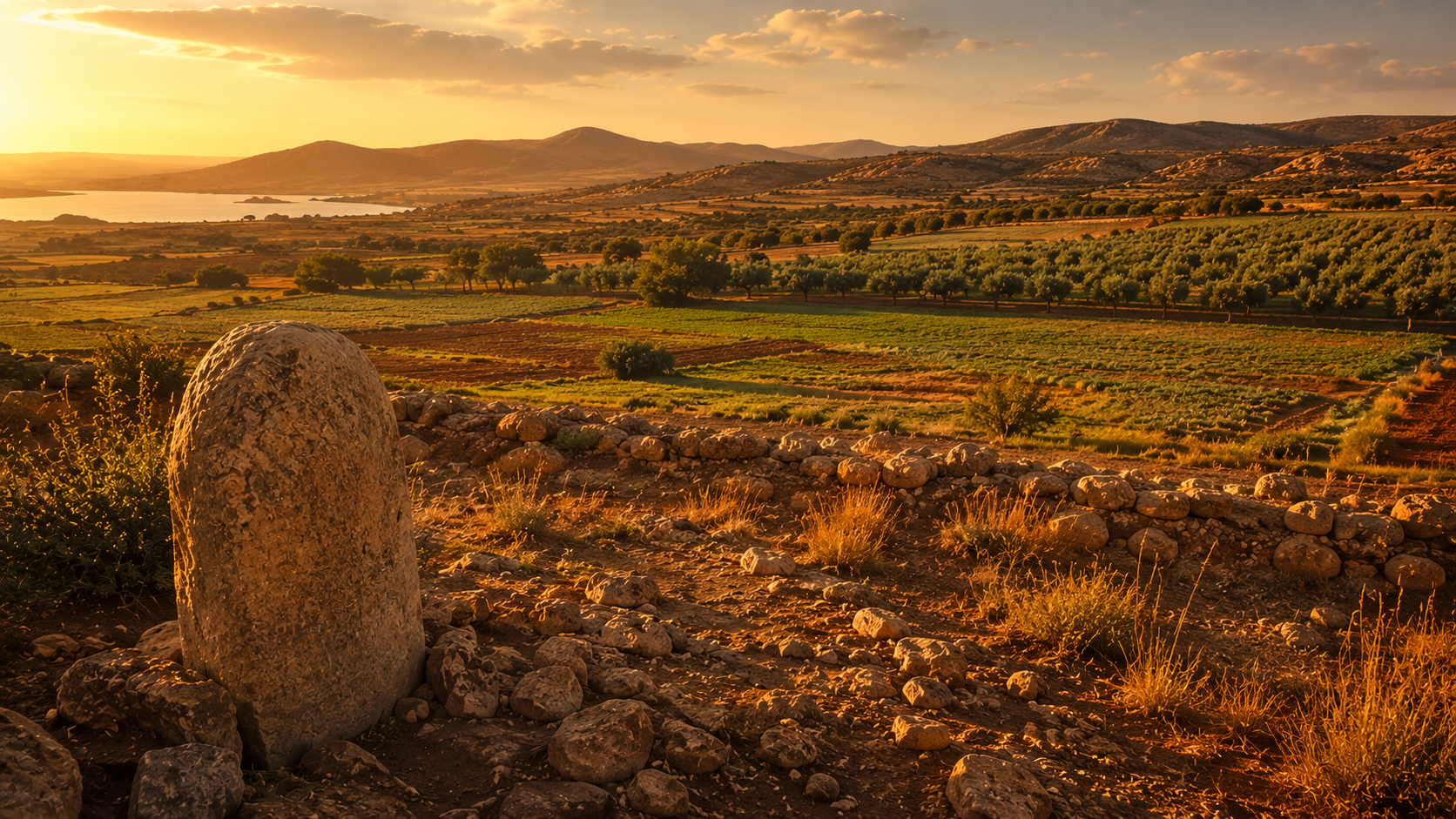
- The concern of the clan heads (vv. 1-4). The leaders of Manasseh raise a real tension. The earlier ruling secured the daughters’ inheritance (chapter 27), but it created a side effect: if the women marry outside the tribe, their land transfers to their husbands’ tribes, and over generations the carefully assigned tribal map would blur. Their concern is not a power grab; it is the integrity of the whole system of inheritance God is establishing.
- Let them marry whom they think best; only within their father’s tribe (v. 6). The ruling is a model of holding two goods together. It does not revoke the daughters’ inheritance; they keep their land and they choose their own husbands. It simply adds that they marry within their tribe, so that both goods are preserved: the women’s inheritance and the tribal integrity. This is not a zero-sum trade where one party loses; it is a both/and that honors the individual justice won in chapter 27 and the communal good raised in chapter 36. The Torah’s wisdom here is to refuse the false choice between the individual and the community.
- So the daughters of Zelophehad did (vv. 10-12). The five sisters comply, marrying their cousins within Manasseh, and their inheritance stays in their father’s tribe. They are obedient to the balanced ruling just as they were bold in the original petition. Their story, which began with a courageous challenge, ends with a faithful submission to the larger good, and in both they are honored.
Word study: arvot Mo’av (עַרְבוֹת מוֹאָב), “the plains of Moab,” the place of almost
The book’s final verse locates everything b’arvot Mo’av, “in the plains of Moab,” by the Jordan, across from Jericho (v. 13). This is the staging ground on the east bank of the river, in sight of the land but not yet in it. The whole back half of Numbers, and the entire book of Deuteronomy, takes place here, on this threshold. Arvot Mo’av is the geography of almost: the place where the promise is visible across the water but not yet possessed, where a generation stands ready but has not yet crossed. It is, in a sense, the most honest address in the Torah, because so much of the life of faith is lived exactly there, on the bank, with the promise in view and the river still to cross. Israel will cross under Joshua; Moses will not, dying on a mountain overlooking the land he was barred from entering. The book leaves its people in the plains of Moab on purpose, poised, prepared, and waiting, so that the reader feels the forward lean of the whole story toward a crossing that has not yet happened.
Influence callout: Dennis Olson and the daughters who bracket the book
Olson notes that the daughters of Zelophehad frame the entire second half of Numbers (see the two generations). They appear in the second census (26:33), petition for inheritance (chapter 27), and return in this closing chapter (36) to have the inheritance secured for the tribe. The new-generation section of the book, everything from the second census onward, is bracketed by their story. It is a telling choice. The half of the book that is about life and inheritance and future, as opposed to the first half’s death and rebellion, is framed by five women who believed the promise enough to fight for their place in it. The generation that will enter the land is represented, at the threshold, by daughters who trusted that the inheritance was real and asked, faithfully, to belong to it. Olson’s point is that this is not a random ending; it is the book completing its own design. The death of the old generation and the birth of the new is finished, and the new generation’s story is bracketed by faith.
B · Numbers 36:13 · The book on the threshold
¹³ These are the commandments and the ordinances which Yahweh commanded by Moses to the children of Israel in the plains of Moab by the Jordan at Jericho.
- In the plains of Moab… at Jericho (v. 13). The closing formula sets the whole book down on the threshold. Israel is by the Jordan, at Jericho, the city that will be the first to fall when they cross. They are as close to the land as they can be without entering it. The book ends not with a triumphant arrival but with a people poised on the bank, everything ready, the crossing still ahead.
- The ending completes the arc the whole book has traced (see the two generations). Numbers opened with a census of the generation that came out of Egypt, the generation that would refuse the land and die in the wilderness. It closes with the inheritance laws of the generation born in the wilderness, the generation that will cross and possess the promise. Between the two stands the great hinge of Kadesh and the long death of the old. And now the new generation stands on the edge, counted, organized, equipped, and ready, the promise intact, the land in view.
- There is deep grace in where the book stops. After everything, the rebellions, the plagues, the deaths, the failures of even Moses and Aaron, the promise has survived. God carried it through forty years of wilderness and an entire generation’s unbelief, and here it is, alive, on the threshold, ready to be inherited by the children of those who forfeited it. The wilderness did not have the last word; the promise did. Numbers ends in the plains of Moab, in the geography of almost, with a people about to discover that the God who brought them out is also the God who will bring them in. The river is the only thing left between them and the land, and the One who split a sea is about to part a river.
Reflection prompts
- The final ruling holds two goods together, the daughters’ inheritance and the tribe’s integrity, refusing to trade one away for the other. Where are you stuck in a false either/or that might actually have a both/and, if you looked for the wisdom that honors both?
- Numbers ends in the plains of Moab, the place of almost, with the promise in view but the river still to cross. So much of faith is lived right there. What promise are you “almost” at, and what would it mean to wait faithfully on the bank without either giving up or rushing across alone?
- After all the failure of the book, the promise survives, carried through the wilderness to a new generation. Where in your own story do you need to trust that God’s good purpose has outlasted the failures, yours and others’, and is still waiting, intact, on the other side of this season?
Frameworks at play in this chapter: the two generations, wilderness and liminality.